
Ecosystem Pond
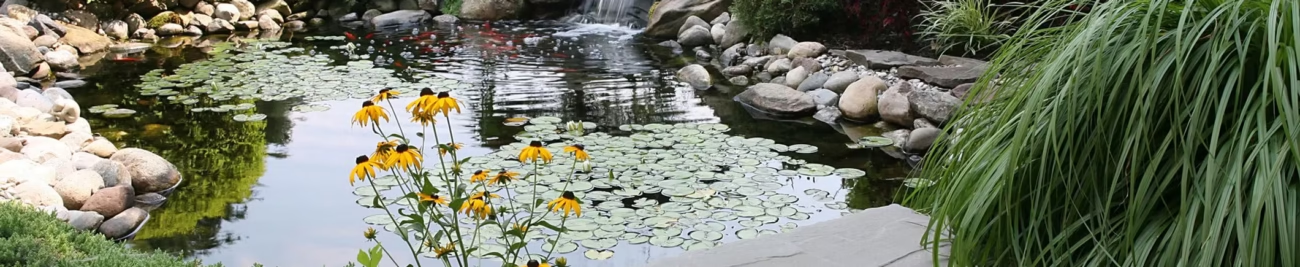
An ecosystem pond is a balanced aquatic habitat designed to mirror natural ponds and wetlands. It fosters a self-sustaining, biodiverse environment, blending living and non-living elements. Unlike traditional ponds, these ecosystem ponds replicate natural complexities, promoting ecological sustainability.
Biological Filtration
Utilizes natural processes with beneficial bacteria in rocks and gravel to maintain water quality by breaking down organic matter.
Aquatic Plants
Incorporates a variety of plants like floating, submerged, and emergent species for oxygenation, nutrient absorption, and providing habitats.
Fish
Includes fish such as koi or goldfish, integral for nutrient cycling and maintaining the ecological balance of the pond.
Rocks and Gravel
Lines the pond bottom and edges with rocks and gravel, creating habitats for microorganisms and aiding in biological filtration.
Water Circulation
Ecosystem ponds may incorporate features like waterfalls, streams, or fountains to enhance water circulation. This not only adds aesthetic appeal but also aids in oxygenation and nutrient distribution.
Natural Pest Control
Supports natural predators like dragonflies and frogs to control pests and contribute to ecological balance.
Balance of Flora and Fauna
Ensures a balanced ratio of plants to animals to maintain water clarity, prevent algae growth, and support a thriving ecosystem.
Environmental Sustainability
esigned with sustainability in mind, often using eco-friendly materials and methods like rainwater harvesting, minimizing chemical use.
Educational and Recreational Value
Offers a platform for learning about ecological interactions and serves as a peaceful space for relaxation and recreation.
